Showing posts with label UNDERWEAR. Show all posts

From Underwear to Outerwear: The Return of Vintage Bustiers and Corsets

Once worn under layered Victorian gowns, bustiers and corsets have made a comeback, but this time as stylish, delectable outerwear. These vintage-inspired women’s clothing items, designed to sculpt the feminine silhouette (the figure 8), have now blended historical elegance with modern-day style. This post is about how each of them evolved, what makes them different, and how to wear them beautifully.


To achieve the hourglass figure, women had to wear bustiers and corsets 
that squeezed their bodies painfully, into shape. 


Bustiers: The Feminine Power Piece


Once considered fine lingerie worn by elite women who desired structure and support, bustiers were originally crafted with whalebone or reeds. Its purpose was to lift the bust and smooth the torso. Today, designers achieve the same shaping effect with steel or plastic boning that provides comfort, without sacrificing structure.

Modern Fabrics & Styles


Modern bustiers are made in a range of materials like satin, velvet, brocade, mesh, and lace. Embellished, embroidered, or minimalist, bustiers are as versatile as they are beautiful.
 

Style Tips for Wearing a Bustier


  • Casual Look: Pair a bustier with high-waisted jeans, tailored shorts, or a mini skirt for a chic off-duty style.
  • Formal Look: For evening wear, match it with a velvet skirt or wide-leg trousers and a blazer.
  • Layered Look: Use it under a sheer blouse for a modest yet stylish effect.

A trendy fashion-forward vintage-inspired underbust corset.
It is worn as an outerwear garment over a vintage-style bustle skirt.


Corsets: The Classic Waist-Sculptor


Corsets date back to the 16th century and were once essential to shaping the perfect hourglass figure. Unlike bustiers, corsets are used as waist-cinchers and for posture support. The early versions used rigid boning and front busks for structure, but today’s corsets come with steel or mesh panels for comfort and flexibility.

Style Tips for Wearing a Corset


  • Everyday Glam: Style over a crisp shirt or dress to accentuate the waist.
  • Evening Wear: Opt for a satin or brocade corset with tailored pants or a full-circle tulle skirt.
  • Subtle Sophistication: Layer under a blazer or structured jacket for a refined, feminine touch.

A burlesque vintage-inspired corset/bustier made from lace and satin.
It has steel bones and a demi-cup for a full lift and support.


Vintage-inspired bustiers and corsets are no longer just undergarments; they have evolved into statement pieces that convey confidence, shape, and individuality. Whether styled for elegance or for informal wear, these vintage-inspired classics prove that fashion and style never truly fade away. They simply reinvent themselves.

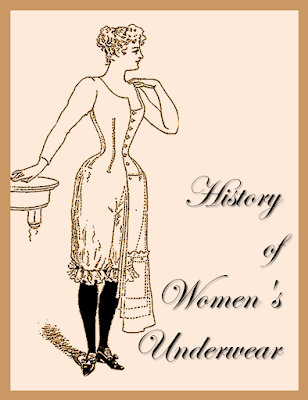
History of Women's Underwear: When Undergarments Became Intimate Wear
The Ugliest Hats and Headwear in Fashion History

From Corsets to Crotchless Chaos: A Humorous Peek into Vintage Undergarment Disasters

When Fashion Forgot Comfort (and Logic)

Fashion sometimes spins so fast it tosses logic right out the window. What we call vintage-inspired one decade can become “Why, dear Lord?” the next.
It IS true that some retro revivals earn a deafening applause (hello! 1950s pin-up girl’s lingerie), but others definitely deserve to stay hidden away in grandma’s attic, preferably under a huge pile of old girdles.
Now grab a cup of tea (or courage) as we dive into history’s most outrageous, uncomfortable, and unintentionally hilarious undergarments.


Victorian Corsets: The Rib-Crushing Romance

Victorian women loved a cinched waist almost as much as they loved fainting and smelling salts. These corsets squeezed organs into origami, proving that “snatched” once meant “I can’t breathe.”

Bullet Bras: Locked, Loaded, and Pointing at Trouble

The fifties gave us perky styles and perkier brassieres. These vintage lingerie icons made women look like they were armed, ready for battle. Madonna tried to resurrect them; humanity quietly said, No, thanks.

Open-Crotch Pantaloons: The Cooling Breeze Nobody Asked For

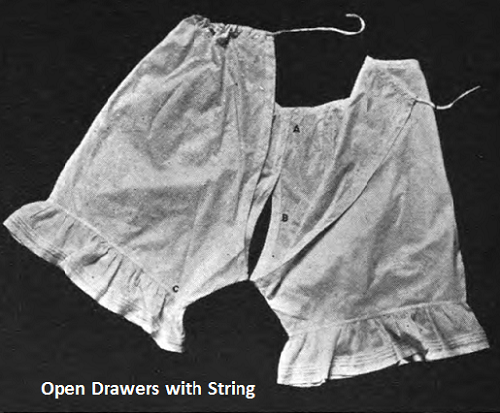
Sold as “practical” for bathroom breaks in the 19th Century, they mostly invited embarrassing moments and unexpected ventilation. Proof that convenience and dignity rarely share a dressing room.

Bust Improvers: DIY Push-Up Pandemonium

Before padded bras, women stuffed their undergarments with cotton wool and rags. One sneeze, and your “assets” could go airborne. Early innovation? Yes. Effective? Absolutely not!

Steel Crinolines, Hoop Dreams, and Bruised Knees

Not exactly underwear, but definitely under there. These metal contraptions made sitting impossible and staircases life-threatening. A personal space miracle, though, because no one could stand too close.

Whalebone Girdles. The Sea Gave, Fashion Took

Made from actual whale parts. Heavy, rigid, and fishy in both senses, nothing screams “vintage fashion inspired” like the faint scent of the ocean while struggling to breathe.

Lace Boxer Briefs for Men — The Briefest of Trends

Someone thought lace would make men’s underwear “elegant.” The idea lasted one wash cycle and one collective cringe.

Thong Leotards. The 1980s Misfire

High-cut and permanently wedged. Proof that even modern undergarments can outdo vintage ones in sheer discomfort.

Victorian Split Drawers, A Drafty Disaster

An open design that made restroom trips easy but modesty a myth. Some inventions simply shouldn’t be revisited. Ever!


Thoughts? Some Fashion Is Pain, But At Least It’s Funny

From rib-crushing corsets to crotchless catastrophes, these underwear relics remind us of how far comfort has come. The next time your bra strap digs in, remember, at least it’s not reinforced with whale bones.


Articles of interest

Slimming Underwear for Plus-Size Brides and Full-Bodied Women (Vintage vs Modern)

History of Women's Underwear: When Undergarments Became Intimate Wear

Slimming Underwear for Plus-Size Brides and Full-Bodied Women (Vintage vs Modern)

Vintage Charm Meets Modern Control for Full-Figured Brides


When it comes to looking and feeling your best on your wedding day, the right slimming lingerie is just as important as the bride’s dress, especially if you are a full-bodied woman.

You may love the timeless allure of vintage shapewear or, perhaps, the sleek support of modern slimming undergarments. Whichever side of the divide you fall into, today’s bridal market offers stylish, functional solutions that will enhance your natural curves and give you a near-perfect silhouette.

In this article, we will explore the differences between vintage and modern slimming lingerie. You will find practical tips for selecting the best foundation garments to complement your body and bridal dress for your special day.


Vintage Slimming Lingerie: Sculptural Elegance with a Retro Twist


Before the rise of high-tech fabrics and seamless shaping, women relied on structured, often hand-crafted undergarments to achieve a smooth silhouette. Vintage bridal lingerie, such as corsets, bustiers, and boned longline bras, provides you with strong midsection control and bust support that's perfect for fuller figures and curvier brides.

The 4 key features of vintage bridal shapewear are:
  1. Rigid boning (originally whalebone or steel) for dramatic waist cinching
  2. Longline bras and bustiers that smooth the torso and enhance posture.
  3. Hook-and-eye closures, often with adjustable lacing for a custom fit.
  4. Luxurious fabrics, like satin, silk, and lace, for a romantic touch.
While vintage shapewear can be incredibly flattering, it tends to prioritise form over comfort. It’s ideal for brides seeking an authentic vintage look, or for dresses requiring a strong internal structure (1950s-style ball gowns or structured bodices).

Modern Slimming Undergarments: Sleek, Stretchy, and Seamless


Modern bridal shapewear has evolved with the advent of technology. From high-waisted briefs to body-sculpting bodysuits and compression slips, today’s slimming undergarments are designed to contour, lift, and smooth without sacrificing comfort or mobility.

The 4 key features of modern slimming lingerie are:
  1. Lightweight, breathable materials, like Lycra, microfiber, and mesh.
  2. Seamless construction for invisibility under tight or clingy fabrics.
  3. Targeted control zones to shape the waist, tummy, hips, and thighs.
  4. Moisture-wicking fabrics that keep you cool and comfortable throughout the entire event.
Modern shapewear is ideal for brides wearing form-fitting gowns, such as mermaid or trumpet silhouettes, where a smooth finish is essential. It’s also a great option for long wedding days, dancing, and destination weddings where comfort is key.

Which Bridal Undergarment is Right for You? Vintage-Inspired or Modern Bridal Shapewear?


Choosing between vintage-style slimming lingerie and modern shapewear depends on your dress design, personal comfort level, and the look you want to achieve.


Bridal Basques - Are a tight-fitting bodice or a short 'coat'. It is also a stylish and slimming undergarment and outerwear that many refer to as a 'waspie'. A Basque does not necessarily pull in the waist, but it shapes the upper body. They, however, do have steel bones as well.

Bridal Waist Cincher - The waist cincher was very popular with the 80's bride, and women generally. It’s a type of wide lace belt, made with elasticised fabric and soft plastic stiffeners.

Bridal Bustier - A bustier with a close-fitting, sleeveless, and usually strapless bodice is worn by brides as a slimming undergarment or as outer apparel. A bustier is similar to a basque but comes shorter. It reaches down only to the ribs or waist.

Vintage-Inspired Bras - The design of the bridal gown usually determines the type of bra that must be worn. The bra must support and elevate the bosom in most vintage-inspired wedding gowns.

FEATURE

VINTAGE SHAPEWEAR

MODERN SHAPEWEAR

Structure

Firm boning and rigid panels

Stretch compression zones

Comfort

More restrictive

Lightweight and breathable

Style compatibility

Best for vintage-inspired gowns

Ideal for modern silhouettes

Aesthetics

Romantic, retro, detailed

Sleek, seamless, minimal

Custom fit

Lace-up or hook adjustments

Pull-on or zip, with stretch fabric


Tips for Choosing the Right Slimming Lingerie for Plus-Size Brides


  • Fit the lingerie to the dress, not just your body. Consider the neckline, back, and transparency of your gown.
  • Prioritise comfort. You’ll be in it all day, so make sure you can move, breathe, and sit comfortably.
  • Try before the final fitting. Wear your shapewear to your last dress fitting to ensure a flawless finish.
  • Don’t size down. A proper fit provides better slimming and shaping than too-tight garments.
  • Mix and match styles. You may need a longline bra with high-waisted control briefs or a full-body shaper under a sleek dress.


Confidence Comes from Within (and a Little Lingerie Help!)


No matter your size or style, the right bridal slimming lingerie can give you that extra boost of confidence, shaping your silhouette and allowing your wedding gown to shine. Whether you’re channelling old-Hollywood glamour with vintage shapewear or stepping into modern elegance with seamless control wear, choose pieces that celebrate your body, enhance your dress, and make you feel beautiful on your special day, from the inside out. The wedding website photographs and videos will tell the story.


Articles of interest
Memorable Fabulous Clothing Through Time: Antique and Vintage Fashion for Women

How to Clean Vintage Lingerie: Wash and Care Tips

Vintage lingerie addicts know that authentic undergarment finds generally come as used or deadstock items. Some even come well-worn. While many of these items are made of linen, silk, satin, and such delicate fabrics, how to clean them is always an issue, especially if you do not know how to go about it.


If you are a collector who simply finds pleasure in amassing vintage underwear, you will need to know how to care for and store it. You will need to know how to avoid damaging them as they are delicate and aged undergarments. Fabrics over half a century old need the ideal cleaning care to preserve them for a bit longer.

If, for instance, you find:

  • Your great-great-grandmother’s private peignoir sets.
  • Some old Vanity Fair nylon slips.
  • A bullet bra at an online vintage store.
  • Deadstock (unused) knickers from a local thrift shop
  • Bridal garters from the 50s,

... you will want to know how to keep them clean without damaging their delicate material.


Common Damages of Vintage Lingerie


Because old lingerie has been stored away for decades, many of them may have become soiled due to dust accumulation or trapped dirt within the garment folds. Also, the prolonged exposure to heat, light, dampness, and dust may have caused almost irrevocable damage. If cleaning is not done carefully and methodically, you’ll find that some of them may tear while being cleaned.


How to Clean Antique and Vintage Undergarments. What You Need


Caution must be applied when you clean vintage lingerie. It is a painstaking task to clean items like silk panties or satin brassieres, but it can be done. Before you begin, ensure you have a wide, flat surface (counter or tabletop). This is important. Lying out on a flat surface makes it easier to clean carefully.

To clean, you will require the following:

  1. A couple of soft sponges.
  2. 2 large towels.
  3. 1 soft hand towel.
  4. Mild detergent or soap flakes.
  5. Mild softener.
  6. White vinegar (distilled).

The cleaning steps are as follows:

  1. On the flat table or counter, lay out a large towel.
  2. Moisten the soft hand towel and rub it gently over the surface of the lingerie.
  3. Mix water, mild detergent and softener in one of the bowls – ratio 1/8 detergent to softener to 3 cups of clean water.
  4. Dip a soft sponge in the soapy solution, lightly squeeze out excess solution and gently rub the sponge on areas/spots you aim to clean.
  5. Go with the grain of the material while applying the gentle rub. For tiny spot stains, use cotton swabs instead of a sponge.
  6. Dip the 2nd sponge in a bowl of clean water, squeeze lightly, and gently blot the soapy residue from the vintage lingerie. Do not rub.
  7. Prepare a mix of water and the white vinegar - 4 tablespoons of vinegar to 2 cups of water.
  8. Dip the clean towel in this mix and use it to gently dab the lingerie. This will balance the alkalinity of the soap. It will help to preserve the underwear.

The drying steps are as follows:

  1. To dry the lingerie, lay a large dry towel on the table and place the undergarment on it. Fold the towel over it and press on it very gently, and then leave to air dry. Do not wring wet vintage materials!
  2. Iron them gently on a low iron setting to remove all wrinkles. Do not use steam.

Professional Cleaning and Restoration


If your vintage underwear is a cherished family heirloom, you may not want to clean it yourself. If you fear that you may cause some damage, you can always have them cleaned professionally. And, if there are minor damages, for a small fee, a vintage restoration expert can repair and restore.

The Curvy Girl’s Lingerie Blueprint: Flatter Your Shape, Own Your Confidence (With Infographic)

As a curvy girl, choosing the right lingerie starts with understanding that not every piece is designed to work with your body, and that’s where intentional selection makes the difference.

The goal is not to hide your shape but to support and enhance it through structure, proportion, and fabric.

Image source: hipsandcurves.com

For Fuller Busts


Here, the focus should be on support. Pieces with underwire, wide straps, and reinforced bands stabilise the weight of the heavier bust and give it a lift without strain. Thin straps and flimsy cups tend to collapse under pressure, while well-constructed bras shape the chest and improve overall posture. With a full bust, support isn’t optional but rather, foundational, because it determines how clothes fit and look on the body.

For Full Mid-sections


When dealing with a full midsection, the emphasis shifts to balance and controlled coverage. High-waisted panties, shaping briefs, and structured bodysuits smooth the waistline and create a defined silhouette without discomfort. The idea is to give a gentle contour, rather than being restrictive, allowing the fabric to follow the body instead of struggling with it.

Pieces that cut across the stomach at the wrong point can exaggerate volume, while those that sit higher elongate and streamline the torso.

For Curvy Hips and Thighs


With curvaceous hips and thighs, proportion is key. For instance, high-cut leg openings visually lengthen the legs, while stretch fabrics allow for comfort and easy movement. Lingerie that digs into the skin here disrupts the body’s silhouette, whereas flexible materials that don’t dig into the skin maintain a clean, uninterrupted shape. In this case, a good fit is about fluidity. Nothing should pinch the body or segment it unnaturally.

Small Bust, Full Lower Body


If the concern is a smaller bust with a fuller lower body, the strategy reverses.

Details like ruffles, lace overlays, and padding at the bust will add volume and draw attention upward, creating visual balance while simpler cuts on the larger bottom half prevent excess emphasis on the area. A redistribution of focus creates harmony across the figure without needing to wear constricting shaping undergarments.

One-Piece Lingerie


One-piece lingerie styles like teddies and bodysuits act as a unifying solution for curvy, multiple areas at once. They smooth the midsection, support the bust, and define the waist in one single silhouette.

Structured versions of these pieces provide shaping, while softer designs offer comfort with soft contouring. These pieces work well because they don’t show breaks in the outfit, allowing the eye to move seamlessly across the body.

Lingerie Fabrics


The fabric you select determines how the lingerie will look, feel, and perform on the body. For example, stretch lace, mesh, and microfiber textiles adapt to curves and move effortlessly with the body, while rigid materials can restrict and distort fit. Fabric breathability and flexibility are just as important as style, ensuring that lingerie feels as good as it looks.

Modern designs prioritise both. They blend comfort and construction to support curves properly.


Ultimately, the right underwear for plus-size women must work with body proportions, instead of forcing them into a standard shape. It lifts where needed, smooth where desired, and highlights natural curves without compromise.

The result is not just a better fit, but a stronger sense of confidence, because when lingerie is designed for the body, it stops being a challenge and becomes an advantage.
Victorian-Style Bustle Is Back and Here is How to Rock It with a Modern Twist

Plus-Size Lingerie for Big and Full-Bodied Girls


Finding unique lingerie for plus-size women in shops around many localities is not that easy. Yes, they do carry undergarments for the full-bodied woman, but many of the ones you’ll find may not be feminine and sexy enough for many of today’s proudly big girls out there.

Vintage Inspired Plus Size Intimates Online

Now when it comes to vintage-inspired lingerie, it becomes much more difficult to find, that is if you can find them at all.

Vintage-inspired lingerie is not your usual panties, bras, and simple camisole tops. They are certainly more than that. Not dowdy, somewhat plain, and old-fashioned like . . . yes! Granny pants and frumpy brassieres!

It’s not news that many plus-size women seek better and attractive underwear online. As some feel slightly uncomfortable rummaging through the racks and shelves of lingerie at their local shopping malls, others will not be ‘caught dead’ seeking the help of shop attendants, some who snicker behind your back or roll their eyes as soon as you turn to look somewhere else simply because you are looking for something more sensual, stylish or utterly suggestive.

Hips & Curves Full Figure Lingerie, Apparel, Costumes, Hosiery and Accessories

Buying plus size intimates online helps lots of women just like you who absolutely hate having to go out into there, facing skinny and svelte shop attendants, especially when they try to give you advice without really being aware of your needs, or worries of good fitting pieces.

There are specialised online lingerie stores that cater exclusively to the full-bodied curvaceous women of style. They understand that intimate wear should not only be special, but they must also make you feel special; both you and your partner.


How Do You Ensure You Get the Perfect Fitting Lingerie?

For plus-size women who wish to order online for the first time, this may put you in a dilemma but don’t worry. If you are searching for lingerie from an online store, first ensure it’s from a reputable site that caters exclusively to plus-size women.

If it’s a good site, it’ll provide detailed and well-thought-out measurement charts. The site should also include a guide that’ll show you how to take the right measurements.


If you are unsure about taking your own measurements properly, ask a member of the family or a friend to help you out. Yes, it can get quite tricky trying to measure your own body all by yourself.

Try to be honest with your measurements. Some of us tend to wish we were an inch or a bit less than what we read on the measuring tape . . . wanting to give measurements that we desire to be.

That’s quite natural for some and understandable too. But as a bold and confident plus-size woman, it is certain that you won’t.

So take the time to take proper measurements following the store’s guide; this way, you’ll minimise the chances of getting lingerie that doesn't fit you perfectly.

Happy lingerie shopping!


Further Reading:


History of Women's Underwear: When Undergarments Became Intimate Wear

Have you ever wondered when, how, and why people started wearing underclothing? Are you curious about what underwear was like and how it has evolved over the centuries? If your answer is yes and yes, this article will enlighten you.
 
The history of underwear is quite interesting. It all began from wearing nothing underneath clothing to putting on beautiful frilly lingerie and now barely-there strips of under(things). Indeed, underwear has come a long way.

The Earliest Women Undergarments

The earliest recorded pieces were simple nightie-like garments called shifts, not unlike what we call a chemise. Shifts were worn by women of the Middle Ages, a period of European history spanning from around 500 AD to the 1400s. This chemise was worn underneath the outer garments, and that was it. Women of that era did not wear anything else below their daily attire.

In ancient Rome and Egypt, women tied loincloths which served as underwear. To hold the bosom firmly in place, they wound wide bands of linen fabric around their chests. This equivalent of the modern brassiere is called a strophium, tied with half-knots with the ends tucked in on the sides. 

When Underwear Became Intimate Clothing

Around the 1500s to the 1600s, many women wore an item of underwear called a farthingale. It was a bell-shaped hooped petticoat with circular pads of fabric worn under the skirt to extend and shape. It was popular among well-to-do women and played a crucial role in creating the fashionable silhouette of the 1530s to 1580s.

The farthingale frame was constructed essentially from whalebone. The cheaper version was called a bum roll and was a padded roll of textile worn around the waist. By the 1600s, wealthy women began to wear silk stockings.

Image source on Flickr by zalikopanjikidze

It was not until the early 18th-century that underwear became a recognized and necessary item of female clothing. By this time, the shift had transited into a more feminine chemise. And by the turn of the 1800s, women began to wear drawers. These are generally known as female pantaloons.

Pantaloons were long undergarments that ran from the waist to the ankle. The drawers were made from light material and finished with frilly edges and a split between the legs. In the early 19th-century, underwear was cumbersome, especially with the almost endless layers of female dresses. Perhaps this was one of the reasons why undergarments came with a split-crotch. It was easier to deal with toilette issues. But by the close of the 1800s, the closed ones gained popularity.

20th Century Undergarments and Intimate Wear

Bloomers were the most popular underwear from the early 1900s and remained popular until the 30s. They were baggy underpants fastened below (or above the knee) and known as knickers or "directoire knickers". Styled after the long pantaloons of the 1800s, they continued to be worn by older women until the mid-1950s. Bloomers were made attractive with bands, ribbon tapes, and lace. 

Soon, other items of underwear and finer-structured lingerie emerged. At first, it was the modern hosiery - nylon stockings and then the brassiere (Mary Phelps Jacob designed the first concept of a bra using two silk handkerchiefs and a pink ribbon). By the forties and fifties, women began to wear briefs.

Variations of underwear have evolved almost three-quarters of a century later. However, thong-like intimate wear continues to be highly popular in the 21st-century.

A Brief Summary of Female Underclothing

100 AD - Roman women wore a subligaculum which appears like crude shorts-like wear or came as simple loincloths wrapped around the lower body. Women wore a band of leather or cloth around their chest called a strophium. 

Female athletes wearing a combination of a subligaculum and a strophium (breast-cloth)

13th-Century – Women wore nightie-like garments called shifts (or chemise) under their clothing. That was about it. They did not usually wear underpants.

16th-Century - Some women wore drawers. According to historical facts, Eleanor of Toledo owned a pair of drawers in the mid-1500s. Although women wearing drawers was frowned upon by some, decades after, many were custom-made for Maria de Medici (1573–1642), the new Queen of France, but that is all we know about wearing drawers at this time.

17th-Century - Many wealthy women wore silk stockings and farthingales. A farthingale is an undergarment created to give a woman a silhouette that extremely enlarged her body from the waist down. However, it is said to originate from Spain in the 15th-century. Farthingales were used by the elite, primarily by court women displaying their wealth and status in society.

19th-Century - Women begin to wear white knickers. By the 1860s, some wore coloured knickers and petticoats but white remained popular. The underprivileged had to make their knickers from flour sacks and old clothes, and during the 2nd World War, women sometimes made their knickers from parachute silk.

20th-Century - The early years (the first decade) saw the first pair of knickers. They ran from the high-waist to around the mid-calf but by the 1920s they gradually became shorter, first rising from the calf to the knees, and then up to the mid-thighs. In the 1940s, the more fashionable women began to wear full feminine pants. Not unlike briefs, they came in a variety of styles and colours. Soon a variety of patterns followed. Thirty years after, thong underwear came to be. 


Further Reading:
Clothing Styles We Will Hate to See Come Back
How to Clean Vintage Lingerie: Wash and Care Tips