How to Walk in High-Heeled Shoes Without Waddling and Grimacing

This post is a quick step-by-step guide on how to walk gracefully in high-heeled shoes without waddling like a duck. Moreover, spiked heels won't make you look glamorous if you wear ‘pain’ on your face.

Walking straight in Stilettos (Image used under license from 123rf.com)


1st Step
As a beginner, start practising with kitten heels because if you want to strut in four-inch heels you’d have to start off practising with these. You should start low and work your way up to the higher heels.


2nd Step
When you walk easier and feel more comfortable in kitten heels, you can move up to high wedge heels. Their heels fully attached to the sole will give you good balance and increased confidence. Wedge heels are comfortable to walk in because your heels are placed higher above the level of your toes.


3rd Step
When you feel more relaxed with high-heeled wedge shoes and can walk comfortably in them without feeling awkward, you can go shopping for spiked shoes. But before then, have an imaginary walk in high shoes. Do this by standing with your knees straight, your body raised and supported on your toes, and your heels raised at least an inch (or so) off the floor. While trying this, see if you are tottering or bending at the knees. If you do bend your knees, even remotely, you are not yet ready for spiked shoes.


4th Step
If all goes well with step three, start with baby steps (small, slow steps), ensuring you do not bend your knees any more than you normally would. For balance, put one foot about 12 inches directly ahead of the other, placing your heels down first before your toes. HEELS THEN TOES! HEELS THEN TOES! HEELS THEN TOES!


Conclusion
Now that you have practised walking in stiletto heels without the occasional grimace, only then are you set to wear and strut your 9-inch spikes.

5 Vintage Fashion Accessories That Deserve a Comeback

Now is the time to rock those 20th-century fashion accessories if you are a vintage fashion enthusiast who loves statement pieces typical of the 1900s styles. The pieces were bold, daring, and attractively brazen. From anklets and brooches to fancy bra straps and earcuffs, these statement pieces deserve a comeback (with standing ovations) to the 21st-century fashion scene.

Some of the pieces we vintage fashion fans will love to see are:
  1. Anklets
  2. Fashion rings
  3. Fancy bra straps
  4. Ear Cuffs
  5. Toe rings

Anklets

Anklets or ankle chains have existed for centuries, with the first known types about 8,000 years old. From the beginning of its existence, it was not a fashion item, but an ornament that represented nobility and wealth. They were made from wood, bone, leather and woven twigs. Today, ankle chains have become fashionable pieces of ankle adornment made from various materials like gemstones, beads, and leather, precious metals like gold and silver, and base metals like copper, nickel, and brass.

Beautiful ankle bracelet. Image used under license from iStockPhoto

Although women of the early 20th century who wore ankle bracelets were called brash and brazen, by the middle of the century, women embraced their use as fashion jewellery. Two decades later, anklets became extremely popular as fashion jewellery and became an integral part of fashion and style.

Stylish vintage anklets are usually adorned with charms like hearts, keys, crosses, leaves, and gemstones like jade, emerald, and rhinestones.

Elaborate Rings

Art Deco rings are by far one of the most dramatically styled fashion rings of the 20th century. Rings of the era (1920s to 1930s) were dazzling, stylish, and elaborate. For women who love flashy and bold fashion accessories, nothing beats the beauty of Art Deco rings with their loud and sassy designs.

Vintage-inspired fashion rings. Image used under license from iStockPhoto


Fashion rings of the period, and up until the 1950s, often featured brightly coloured stones like ruby, sapphire, and emerald with heavily eclectic and daring forms. They were large, dramatic, and symmetrical designs with rectangular/hexagonal/square centre-set gemstones, many with uniquely set side stones surrounding each gemstone. The symmetrical patterns and motifs were influenced by Egyptian, African, and Indian cultures.

Popular gemstones used for the Art Deco fashion rings are ruby, emerald, sapphire, onyx, ivory, and jade. Others are mother of pearls, corals, and colourful faux gems set on precious metals - silver, white gold, platinum, chrome, and marcasite. Many high-end Art Deco-style fashion rings have filigree and diamond accents.

Ornate Bra Straps

Fancy bra straps are beautiful fashion accessories that add a touch of glitz and glamour to strapless clothing. They are worn to be exposed and really beautify formal dresses, gowns, and bustier tops, and less formal clothing like strapless blouses, tank/tube tops, and halter necks.

Fancy bra straps.

The most appealing and sought-after kinds are adorned with faux or genuine rhinestones and sparkler diamante gems. The beautiful embellishments make them elegant and attractive without going over the top.

They are wonderful pieces of fashion accessories that can also give a fashion upgrade, like turning a simple day wear into an attractive evening outfit or replacing camisole straps with diamante-studded fancy bra straps. It will also enhance old favourites and give your ‘dumped’ clothes a new lease of life.

Ear Cuffs

Ear cuffs may have been around for centuries (dating back to 200 BC), but in the 20th century, they became great earring alternatives for women with unpierced ears. Ear cuffs can be quite fascinating and attention-grabbing, and their charm continues to grow season after season as fashion icons, celebrities, and jewellery design shows continue to adopt their use and rediscover them as a trending accessory.

The earliest ear cuffs discovered in burial sites in the British Isles were known as Kaffas. They were made from non-fanciful brass without embellishments and were crafted with a large mount to wrap around the outer ear lobe. By the 1700s, they began to appear in Europe. But unlike the ancient ones, these modernised ear jewellery became more reserved in their crafting, resembling classic earrings instead.

Made from expensive metals, they were set with precious stones like rubies, diamonds, and sapphires. They were only affordable to wealthy upper-class women. Ear cuffs were worn to exhibit a woman’s wealth and social status.

Toe Rings

Toe rings have been around for hundreds of years and have been worn by both men and women in Africa and Asia. Way back then, they were worn for various cultural and traditional reasons, but certainly not as jewellery or fashion accessories.

Foot showing toe ring and ankle bracelet. (Image used under license from iStockPhoto)

In the Western world, there is no symbolic interpretation for wearing toe rings. They are generally regarded as fashion accessories to prettily adorn the feet. Meaning they are worn simply to portray stylish statements.

Exquisite toe-ring designs are stylishly crafted after 20th-century motifs and themes of swirls and figurines, fauna and flora, inscribed bands, and love themes. The best types are those made from lasting materials like gold, enamel, brass, and silver that will make your feet look pretty and delicate.


Other articles of interest:

Six Hundred Years of Wedding Dress Designs

If you love all things that have to do with the history of women's fashion, you will enjoy reading about how wedding dresses evolved.
  • What was getting married like before white weddings became popular?
  • What did the bride wear?
  • When was the first documented white wedding dress in Western culture?
Six centuries of bridal wear - 1300s to 1900s.


The book Six Centuries of Wedding Dress Styles and Traditions will answer these questions and more. It will take you through some of the interesting histories of bridal wear with an insight into what brides wore hundreds of years ago. It includes photographs and illustrations of hundreds of years of wedding dress collections.

It is a good reference book to have if you are a student of fashion history, a wedding dress styles enthusiast, and a bridal wear dressmaker and tailor

10 Famous Jewellers of the 1920s

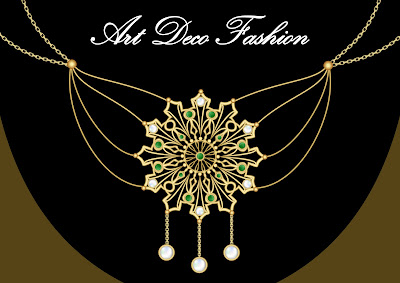
It was the Jazz Age of the 1920s, an era that heralded the beginnings of conscious awareness of unconventional costume jewellery. During this time, the Art Deco movement also made an impression on jewellers. Jewellery designs were influenced by events like the discovery of King Tutankhamun’s tomb, African art, and the Avant-Garde art movement. They were largely accepted by the flapper generation who frequently wore Art Deco-inspired jewellery and dazzling clothing. 

To this swinging generation, it was all about femininity and accessorizing, and the movement provided design inspiration for these. Jewelry, they say, was meant to capture the eye and command attention.


The style was characterized by bold colour contrasts, geometrics, clean lines, and stylized motifs. There were long strands of pearls, brooches, strings of round beads, ornate bangles and wide embellished bracelets, earrings with tassels, and loop necklaces.

Today, early 20th-century art deco-inspired costume jewellery still remains incredibly popular.


Some Famous Jewelry Designers of the Twenties


While some of the jewellers mentioned below have been known for their designs before the roaring twenties, many were at their peak during this era and made their mark in the jewellery design business. Their names still resonate among jewellery makers and collectors of vintage jewellery.

The following are jewellery designers (in no particular order) famous for their creations.


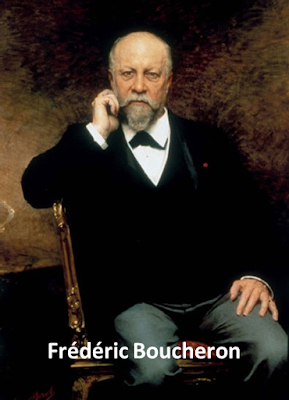
Frédéric Boucheron


His jewellery pieces are works of art and were designed to fit the reigning Art Deco designs of the 1920s. Before then, in the late 19th century, Boucheron was considered the pioneer of “modern jewellery” who revived an engraving technique that had been forgotten since ancient times. He soon became famous for the extraordinary designs and quality of his precious stones which included diamonds engraved with flowers or arabesques, and colourful gemstones (sapphires, rubies, lapis lazuli, coral, hematite, onyx, emeralds, and rock crystal) encircled with geometrically arranged diamonds.

Boucheron jewellery designers and makers enjoy the patronage of royal families and the custom of Hollywood icons like Dietrich, Garbo, and Rita Hayworth.


Mario Buccellati

In 1919, Mario Buccellati, also known as “The Prince of Goldsmiths”, acquired the family jewellery company and renamed it “Buccellati”. He was a famous jeweller who marketed his creations through exhibitions that helped him meet and make customers of affluent clients from all over. Mario Buccellati was so well patronized, he opened many branches around the world. 

His jewellery designs featured elaborate gemstone works suggestive of the Art Nouveau and Old Hollywood eras. They highlight animal and insect forms, created out of pearls. He is also famous for his “gold jewellery and exquisite silver objects” and the combinations of precious metals (silver & gold, and platinum & gold).


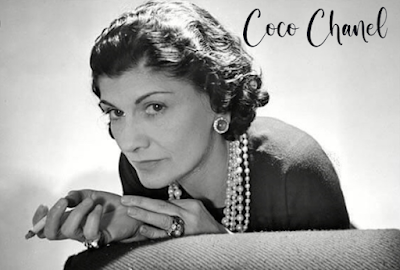
Coco Chanel


Chanel’s jewelry designs may have been considered innovative in the 1920s, but the works were revolutionary, radical, and bold, a new style that consisted of high-end components combined with lower-priced materials. Before that time, wearing costume accessories was considered a fashion faux pas because they were perceived as cheap and belonging to women who couldn’t afford genuine pieces. Unperturbed by the opinion of the status quo, she developed her radical design concept of mixing gems and other precious stones with faux ones. The results and responses were brilliant.

Piling bracelets and bangles, stacking faux pearl necklaces, layering an unprecedented number of brooches, and adorning cuff bracelets; fashionistas were awed by this expressive and playful new look. Coco Chanel’s awesome combinations were and still are what costume jewellery is all about. Each piece she crafted was the signature finishing touch; a perfect complement to the already dazzling outfits of the flapper generation of the twenties.


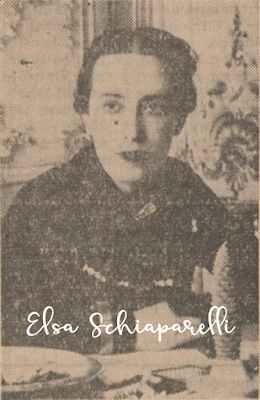
Elsa Schiaparelli


After moving to Paris in the 1920s and establishing a Fashion House in the late 20s, Schiaparelli began making costume jewellery along with her other lines of clothing, perfume and other fashion accessories. She believed that costume jewellery was a vital part of fashion and style, an art form in its own right. Her early works are often portrayed as whimsical, glamorous, and extremely stylized.

Elsa Schiaparelli believed that costume jewellery was an integral part of fashion design as well as an art form in its own right. Elsa’s jewellery was whimsical, imaginative, and innovative often made with bright, colourful glass stones. Many of her designs are inspired by nature, the circus, astrology, and native African art.


Gerard Sandoz

One of the most famous jewellers of the 1920s, Sandoz was well known for his elaborate geometric designs. His bold and dramatic creations made him recognized as one of the forerunners of the Art Deco style of jewellery. Being an artist, he incorporated his bold and strong artistic styles into his jewellery, making each piece a beautiful work of art. In many of his popular works, Sandoz paired metals with gemstones like onyx, lapis lazuli, coral, and hematite.


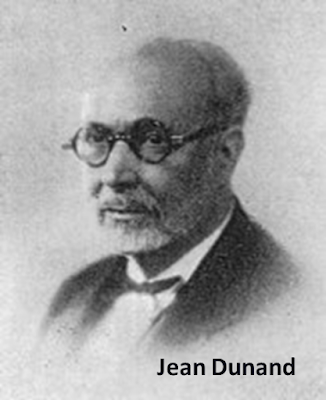
Jean Dunand


Dunand was popularly known for his extensive use of lacquerware (a decorative-coating technique) in his design elements. He used it for many of his works, including vases, furniture, and most especially, costume jewellery. His creative designs of lacquerware jewellery made his creations trendy and a must-have in the twenties. Josephine Baker, one of the most popular music hall entertainers in France who took Paris by storm in the 1920s wore his famous lacquerware jewellery, a wide cuff bracelet and a circular neck collar. This stunning jewellery set designed with black, yellow, and red colours made Dunand's jewellery famous. He was also one of the forerunners of the Art Deco style.


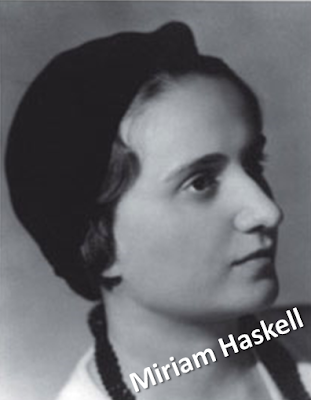
Miriam Haskell


This American designer, Miriam Haskell, is in the top ten jewellery designers of the time. She designed costume jewellery that was affordable to 1920s women and worked in partnership with Frank Hess who was a part of the birthing of colourful jewelry designs. Frank Hess, her chief designer, was previously a young window dresser at Macy’s. Their partnership has been responsible for the finest handmade costume jewelry ever created.

Hollywood stars like Joan Crawford and Lucille Ball, and fashion-conscious women loved the unique style and characteristics of Haskell’s designs and wore her jewellery widely. Her jewellery has also appeared in films, on tv shows, and in stage plays.


Napier

Napier jewellery was the rave in the 1920s. They made pieces in Art Deco style and introduced classy and elegant designs to fashion accessories lovers. Although Napier Jewelry is no longer a top brand, its jewellery is still highly valued and sought after by vintage-inspired fashion-conscious individuals, and jewellery collectors.

The fashion industry was dominated by their eclectic bold designs which featured spectacular geometric and floral patterns made from faux gemstones, imitation pearls, glass, and plated metals. They are also recognized for their sterling silver works. Pieces were large and chunky and were a deviation from the typical designs of the time. This helped them make a positive impact on the fashion scene.

Napier was one of the first brands to make costume jewellery available and accessible to the masses.


Paul Emile Brandt

Paul-Emile Brandt was born in Switzerland but moved to Paris, France at a young age to study under Chaplain and Allard. He started his own business outfit in the 1910s, making Art Nouveau-style jewellery. After World War I, Brandt began creating jewellery in the Art Deco style. His designs are characterised by neutral palettes with white gold and diamonds, offset with onyx stone or black lacquerware.

By the 1920s, he began to work with precious stones and lacquer work. He created jewellery designs made with inlaid lacquered eggshells and brooches set with calibre emeralds in characteristic art deco styles. He describes his jewellery-making as “... jewellery of great design and great construction...”. 

By the 30s, Paul Brandt started to produce hand jewellery – bracelets, bangles, rings, and neck jewellery - necklaces and pendants that featured relief work with geometric shapes.


Tiffanys


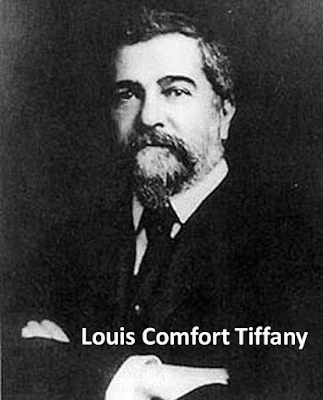
The company was founded by Charles Lewis Tiffany in 1837. When he passed away in 1902, his son Louis Comfort Tiffany became the company’s first official jewellery design director, while Tiffanys became a design icon during the Art Nouveau and Art Deco periods of the early 1900s.

Around this time, the Art Nouveau movement was gaining ground. Louis’ designs featured nature-inspired pieces in Art Nouveau’s style. His pieces of jewellery were majorly made with enamels, gemstones, and even glass. 

Soon, the Art Deco era began and saw an absolute passion for all things Tiffanys. The jewellery makers became the arbiter of fashion and style as brilliant diamonds and lustrous pearls adorned the silhouettes of Hollywood’s silver screen actors. They became the screen darlings of the Jazz era – nothing burned brighter on a black-and-white screen than Tiffany’s dazzling jewels.


Are Jumpsuits Suitable for Weddings and Special Occasions?

Absolutely. Today, women are no longer confined to wearing traditional gowns or dresses for formal events, and weddings are no exception.

Well-tailored, elegant jumpsuits are sophisticated alternatives that make bold and stylish statements. So why not wear one and dare to be different?


Why Choose to Wear a Jumpsuit?


Because they are more than just fashionable and currently trending. They are different, polished, and flattering for a range of body types, and also offer:
  • Effortless elegance. Achieve a high-fashion silhouette with minimal effort.
  • Comfort meets chic. Designed to allow ease of movement without sacrificing style.
  • Figure-flattering cuts. Many jumpsuits contour beautifully to the body while elongating the frame.
  • Non-restrictive. Ideal for dancing, mingling, and enjoying the event comfortably.
Additionally, unlike most formal wear, they give you the flexibility and fluidity to move around effortlessly. You do not have to give up your comfort to look chic.

How to Elevate a Jumpsuit for a Wedding or Formal Event


Styling is everything, and with flattering fashion accessories, a jumpsuit can rival the sophistication of any bridal-occasion dress, gown, or suit.
  • Footwear: Opt for heeled sandals or pointed stilettos to elongate your legs.
  • Outerwear: Depending on the style, you can add a tailored blazer, silk wrap, or long velvet stole for texture and layering.
  • Jewellry: Choose statement jewellery like chandelier earrings, layered necklaces, and retro-style rings.
  • Eyewear: Consider oversized or vintage-inspired frames for daytime or outdoor wedding events.
  • Handbag: Hold an embellished clutch bag or vintage-inspired box handbag with ornaments.
  • Headpiece: Add a fascinator or feathered headpiece for extra flair.

Exploring Jumpsuit Styles


All formal occasion jumpsuits can come in a variety of cuts, shapes, and styles:

Leg Styles:

Tapered
Straight-leg
Semi-wide
Wide-leg
Palazzo or ultra-wide

Neckline & Bodice Designs:

Halter-neck
Strapless
One-shoulder
Off-the-shoulder
Bow-bodice
Tuxedo-style
Jumpsuit gowns (with skirt-like draping)

Sleeve Variations:

Bell sleeves
Bishop sleeves
Cap sleeves
Butterfly sleeves

Fabric Choices for Formal Jumpsuits:

Velvet
Brocade
Silk
Satin
Crepe
Linen blends
 

Modern Alternatives with Timeless Appeal


Whether you love conservative minimalist styles, sleek tailoring, or more fluid, embellished designs, formal jumpsuits offer a sophisticated break from the usual dress, gowns, and two-piece suits.

For any formal occasion like weddings (and formal anniversary parties), it delivers both visual impact and comfort that not only turns heads but also shows confidence, elegance, and a modern flair.


Posts of Interest

Vintage-Inspired Cathedral Wedding Veils

A cathedral wedding veil is all about the length. Coming at no less than 9ft long, you will find (or can custom-make) vintage-inspired cathedral veils that come as long as 12ft, but the beauty of the veil is having a long aisle to walk down. There is not much point it wearing veils that long if you are getting married in a small chapel with a short aisle.


If you desire a regal, stately look on your wedding day, the Cathedral styled veil is for you. It is a ‘super-size’ vintage-inspired headpiece that makes a bold statement and portrays a wedding that’s not only stylish but elegantly formal as well. They are great for a black-tie wedding at a dramatic venue.

This long sweeping wedding veil that drapes naturally to the ground and trails behind you comes in single, double, or triple layers looks beautiful when worn on trumpet-style wedding dresses, ball-style gowns, mermaid gowns, and A-line bridal dresses.

They look absolutely wonderful in the dim light of many traditional churches and cathedrals, and ‘come to life’ as the bride walks out into the sunlight under the flash of paparazzi lights.

A vintage-inspired cathedral bridal veil can be worn either on the crown of the head, attached to the hair with heavy combs or hair clips or at the back of the head with a tiara. The tiara will give it an elegant and royal touch.


Further reading:
170 Years of Wedding Veil Styles (Bridal Veils 1800s to 1970s)
Wedding Veil Designs – Types and Styles of Bridal Headpieces
Gothic Bridal Veils for Medieval-Inspired Weddings

Wedding Veil Designs – Types and Styles of Bridal Headpieces

For brides-to-be, finding perfect wedding veil designs that complement their dresses demands a little bit of patience and research.

So, what veil length is best suited for a short wedding dress? For an informal wedding, should the bride wear a veil with lace appliqué or just a simple blusher bridal veil? And what are the different styles and lengths of wedding veils available?

Beautiful wedding veil design - 1 tier Cathedral veil made from lace tulle fabric in ivory colour.

Blusher Veils


They are simple, yet stylish and cute. Blusher wedding veils are made to cover the eyes and extend down well below the chin, and are a perfect match with sleeveless high-neck wedding gowns.

A blusher veil with lace and sparkling glitter appliqué edge.

Shoulder Length Veils


Shoulder veils extend down to the shoulder and measure between 18 and 20 inches long. They are considered informal and work best with knee-length or midi-length classic wedding dresses.

Elbow Veils


These veil types extend down to the elbow area. Elbow veils measure between 24 and 26 inches, depending on the height of the bride-to-be and whether she has long or short arms. They are perfectly suited for ball-gown dress style and end where the fullness in the skirt begins. They are also great for a full-skirted informal dress without ‘overwhelming’ the entire ensemble.

Fingertip Length Veils


The fingertip veil is one of the popular choices of wedding veils. It extends down to the fingertips and measures around 36 inches. This style of bridal veils will work perfectly for most dress styles, as long as it’s around ankle-length.

Chapel Veils


Chapel veils fall down onto the floor and are about 90 inches long. Though they sweep the floor lightly, they are shorter than the Cathedral Veil. The chapel veil is best worn with classic style bridal gowns with long trains.

Cathedral Veils


The Cathedral veil is by far the most formal of all wedding veils. It is the longest type, measuring anything from around 100 inches long to up to 120 inches and is meant to ‘sweep’ the ground way behind the bride. The Cathedral wedding veil works best with full-length, classic style gowns.

2-tier white Cathedral bridal veil with lace appliqué on its edge and body.


Bridal Veils Edging, and Trims


A veil will never look complete without an edging or special trim. Whether plain and simple or stylishly vintage-inspired, the edging of bridal headpieces can make or mar the style of a veil.

Different types of edging and trims include the following:
  • Plain cut edging
  • Satin ribbon trimming
  • Cord edging
  • Beading and faux stoning
  • Pearled
  • Sequined
  • Silver or gold pencil edging
  • Scalloped
  • Threaded
  • Lace applique
  • Embroidered
  • Horsehair braiding (Crinoline)
  • Rippled edging
    2-tier wedding veil with lace appliqué edging - Fingertip length

Wedding Veil Fabrics


Exceptional fabrics for wedding veil designs include the following and are the basic materials used to create wedding veils.

Chiffon - Chiffon veils are best made as single-tier veils because it is weightier than tulle-based fabrics. It is non-translucent, fluid, and soft-flowing.

Organza – This fabric is high-end and is a popular choice for top bridal gown designers. Organza is elegant, slightly stiff, and semi-translucent.

Silk tulle – Bridal headpieces made with silk tulle drape down elegantly. It is a beautiful fabric, but it is not commonly used for making wedding veils because of its delicate nature. It is made of pure silk, available in several textures, and is virtually the most expensive veil.

Illusion tulle - This is the most commonly used fabric for most wedding veils and is made of 100% nylon of varying textures. Bridal illusion tulle is soft to the touch and is available in a good number of colours.

English net – This fabric is a favourite of many brides-to-be. It is made of polyester nylon, has a very soft texture and is transparent. Best made into single-tiered bridal veils, English net drapes down in a similar way to chiffon, but is weightier because of its polyester blend.

Point D’Esprit – This material is patterned yet translucent with or without a criss-cross dotted pattern. It is a popular veil fabric for brides who desire an ornate lace wedding dress.

Swiss Dot – Veils made using Swiss dot fabric have become increasingly popular. The fabric is made of bridal illusion and features small felt dots throughout the fabric.


Most Popular Bridal Veil Colours


The colour of your veil will be mainly determined by the colour of your wedding dress. Colours of choice are white, ivory, and champagne. However, depending on the theme of the wedding, some brides opt for silver, black, and red.

For instance, black or red veils are the perfect colour choices for Gothic-themed weddings.


Black wedding veil design for the Medieval style inspired bride-to-be.

To make the right choice of wedding veil designs, it helps if you understand all the different styles, fabrics, and designs available out there.
So, whether you are a younger bride or an older bride, knowing the differences before choosing a veil for your special day gives a much better idea of how to get a bridal veil style that works best for your dress.


Further reading: 
170 Years of Wedding Veil Styles (Bridal Veils 1800s to 1970s)
Vintage-Inspired Cathedral Wedding Veils
Gothic Bridal Veils for Medieval-Inspired Weddings
Vintage Cloche Wedding Veils (Bridal Headpiece for Young Brides)


Gothic Bridal Veils for Medieval Inspired Weddings

Gothic-style fashion is for those who love the 'dramatic look' of darkness, mystery, and weirdness. And while many people still think gothic is associated with vampirism and satanism with secret members who wear mostly black clothing, have a pale complexion, jet-black hair and dark, dramatic makeup, the wedding fashion scene thinks otherwise.

Dark and dramatic Gothic-inspired bridal wear showing dresses, veil and bridal cape, and a goth-style wedding cake. 

Goth-style wedding veils, also referred to as vampire veils, are classic medieval styles that are now made with a modern twist and worn by brides who either desire a medieval-themed wedding or a vintage/antique style bridal wear.

Gothic-inspired bridal veil - Black Cathedral length wedding veil with a scalloped-embroidered edge.

Gothic-inspired bridal veils can be made from tulle, lace, satin, velvet, and voile fabrics and can come in plain white, red, or black colours. They can also be made into flowing wedding capes (or church chapel head veil style) made from patterned materials like sateen, embroidered fabrics, illusion tulle, netting and silk. Colours can be a combination of black and red, black and purple, white and beige, or wine and purple.

Aside from wedding ceremonies, gothic veils and medieval-style dresses are popularly worn as party costumes for vintage-themed or other costume parties.


Further Reading

Vintage Cloche Wedding Veils (Bridal Headpiece for Young Brides)

Cloche hats and headpieces were first fabricated around 1908 by milliner Caroline Reboux. The style soon became the fashion rage of the 1920s when its popularity and impact on the fashion scene were at their peak. Close-fitting and chic, they came in many variations and were made from several diverse materials.

From cloche style beaded lace bridal headpieces and Adora wool hats to sisal, felt, and the elaborately bejewelled cocktail/evening hats, its shape and form are one of the most popular classic forms of millinery ever, especially with its unusual bell-shaped snug-fitting design.


Vintage style cloche bridal veil
A classy old-fashioned wedding veil that makes a great bridal headpiece for young brides.

Cloche (or cap) wedding veils are made with an elaborately beaded cap that fits snugly on the head with an attachment of soft tulle, chiffon, or lace fabric (as is shown above), which can be an elbow, hand, or floor length.

Typically vintage, the cap part is designed to be worn low on the forehead with the bride's eyes showing just slightly below the brim.

The cap, which fits almost tightly over the entire scalp, can be adorned or encircled around the brim with any of the following accents:
  • Fresh or faux flowers that complement the bridal bouquet
  • Faux leaves that are woven around the brim
  • Heavy embroidery 
  • Appliques 
  • Pleated satin
  • Faux pearls
  • White coral beads or other gemstones
  • Elaborate jewelled brooches
Popular trimmings and decorations include satin details, velvet ribbons, with faux flower blossoms at the ears.

The veil piece falls gracefully from the back of the fitted cap and down over the shoulders. However, it looks best floor-length or trailing (a great look for young brides). Veil materials include:
  • Silk 
  • Fine Lace 
  • Silk Tulle 
  • Net with net backing
  • Embroidered fabric
Cloche hats and bridal headpieces soon went out of fashion around the mid-thirties, but by the 1960s, their reappearance brought on the second round of the trend.

Great Ideas to Create Custom Cloche Headpieces for the Vintage-Inspired Bride (Video)


Today, you can make the cloche veil yourself, or you can have it custom-made for you. You can buy a close-fitting cap and transform it into classic bridal headwear.

With an extra touch of art-deco decorating, you can transform the plainest cloche hat shape into a vintage classic work of art, a wedding veil befitting of a young bride.

Bridal Headpiece for Older Brides: Vintage-Inspired Birdcage Veil

The bridal wear needs for today’s older brides are so much different from those of yesteryear. Today, age is just a number and for women who tie the knot in later years, looking soft, beautiful, and elegant on their wedding day is an absolute must.

As we age, the stylish among us opt to wear sophisticated and classic clothing for special occasions and formal affairs. And bridal wear is no exception. So, rather than ankle-length and floor-sweeping veils, over-fifties brides should choose traditional vintage-inspired styles that serve as a great complement to a modern wedding dress style.

 
The birdcage bridal veil is a wonderful style of choice for older brides


Birdcage Bridal Headpiece

Simple but stylish, the birdcage veil made its first appearance in the post-war era of the 1940s. Also known as cage veil, cage blusher, net veil, and pouffe wedding veils, the headpiece is flattering in many ways. The facepiece hints at a beauty that lies beneath. They can come with or without a top piece because the main component is the net fabric that drapes the face and the comb that holds it in place. The top (cap) can be any style, from an elaborate rhinestone comb to a bunch of flowers or a rhinestone-encrusted unit.

Birdcage veils are suitable for formal and informal weddings and are easy to design and make if you wish to create an elaborate or dramatic wedding veil for yourself. Have it made simply subtle (as in the image above) or a dramatic piece, like a fascinator made with a plume of beautiful feathers.


The designs of today’s birdcage wedding veils still exude the chic sophistication of the past. With their vintage quirk and chic appeal, this bridal hairdress style has become an increasingly popular alternative for older, fashion-conscious brides. Definitely, the traditional headpieces like the chapel veil, cathedral wedding veil, and shoulder and floor-length forms are best left for younger brides.


Further Reading:
170 Years of Wedding Veil Styles: Bridal Veils 1800s to 1970s
History of Wedding Gowns: 600 Years of Bridal Dress Styles