Fashion Designers Workflow Workbooks: How Clever Designers Organize for Better Results


Whether you are an emerging fashion designer, student, dressmaker, or a seasoned creative wanting to document your workflow, these workbooks are designed to help you bring methodical structure to your creative process. 

From concept to sketching, presenting, tracking project processes, checklists (ing), sewing measurements, etc..., there are drawing pages, project templates, mood board pages, and sections to record ideas, document collections, and fix timelines.

Turn your chaotic collections into a creative system. Design with purpose. Use niche-specific workbooks to streamline your projects like a professional.

Mood Board Pages for Fashion Designers


Structuring your designs, projects, and assignments by recording and documenting them in systematic order enhances designer creativity and productivity. They are blueprints for staying focused, inspired, and professional.

When you work with purpose, your work will speak louder than ever.

Victorian-Style Bustle Is Back and Here is How to Rock It with a Modern Twist

Bustle skirts and dresses first gained popularity in the 19th century and are known for their signature shape, an excessive fullness at the back. Women were even known to accentuate their hips more with padded cushions. The bouncy and flurry feminine form created a high-drama silhouette that swayed with every step.

The Victorian bustle dresses (Wikimedia Commons)

The Bustle Then…


Typically Victorian, bustles (1870s - 1880s) consisted of fancifully tiered ruffle designs that made them uber-voluminous. They were cumbersome and difficult to wear and came with adjustable drawstrings placed beneath layers and layers of fabric that required adjustment (depending on the bustle and drape desired). Combined with the cushion padding, wearing them must have been nightmarish!

An English woman's bustle - 1885 (Wikimedia Commons)


The Bustle Now...


The Victorian-style bustle isn’t just a thing of the past. They are making a bold comeback as fashion designers and costume lovers are reinventing this iconic look with modern ease and versatility. And because bustle skirts are about volume, movement, and drama, today's offer a vintage vibe that still manages to feel feminine and chic with a dash of playfulness.

The 21st-century interpretation comes tiered, but with zipper closures at the waist that make it easy to slip on and off.

Spectacular modern styles of vintage-inspired bustle skirts with fancy-tiered ruffles.


How to Style a Modern Bustle Skirt


Wearing the bustle skirt isn't only for themed parties, Halloween, or period dramas. You can wear one for special events, weddings, award nights, or any event where you want to show-off your vintage glamour.

To pull it off as a vintage-inspired style:
 

1. Choose a flattering top.

Bustle skirts look amazing with bustiers that will cinch the waist to balance out the skirt’s volume.

2. Try a steel-boned corset.

Corsets provide structure and shape. You can opt for ones with front busk closures and lace-up backs for a timeless fit.

3. Experiment with drawstrings.

Many modern bustle skirts have built-in ties under the fabric where you can adjust the height and fullness of the bustle skirt, as you wish. For a dramatic look, cinch them up, and for a downward flow, loosen the ties.

4. Go for the easy-wear version.

Unlike the original versions, today’s skirts often come with zipper closures or stretch waists for comfort and quick changes.


Why 21st-Century Ladies Love Them


Today's interpretation of the bustle is equally as spectacular as it was 150 years ago. So why do modern women like them so?
  1. They’re bold, unique, and body-celebrating.
  2. Modern versions are easy to wear, and they are stylish.
  3. You can dress them up or go full vintage fantasy.

The bustle brings vintage-inspired drama into any ensemble with a fresh, wearable twist. Whether you go fully formal or mix it into your casual style, they’re guaranteed to turn heads.

Embrace the unique flair and make the look a signature.

Vintage-themed Sketch, Doodle, Notes, and Journaling Books


If you love anything antique and vintage, you'll love these sketchbooks, workbooks, notebooks, and journaling books inspired by the 1900s.

With their beautifully designed covers and methodically laid-out interior pages, the books capture the essence of bygone eras, blending antique and vintage aesthetics with modern functionality.

So whether you're an artist, designer, journalist, doodler, or dreamer, they are the perfect place for you to express yourself any way you wish, while showing your love for antiquity-related things.

Let the elegance of the past inspire your imagination today.

Old-Fashioned Cream Paper Drawing Book


This 19th-century themed fashion sketchbook, with illustrations from French newspapers, shows fashionable Parisian women in their elaborate day dresses. It comes in a lovely square shape, and its interior consists of both dot-gridded pages and blank drawing canvases. The book is printed on cream paper for an antiquated look.


If you are a vintage fashion enthusiast, you will like its traditional look that resembles the cream paper fashion designers of yester-years sketched on. Great sketchbook for:
  • Vintage fashion aficionado
  • Fashion designers
  • Fashion design students
  • Other individuals who just want something different from the rest.

Roaring 20s-Inspired Lined Notebook


If you are a vintage enthusiast, then you'll know about the Flapper generation of young women and men of the 1920s. They were loud, loved to party, and listened to jazz music. They were energetic, and they embraced what many considered outrageous lifestyles. They boldly displayed their contempt for what was acceptable behaviour of the era and are considered the first generation of independent individuals who pushed barriers in politics and sensuality.

If you are or were a fan of the 1920s, you can't help but love this vintage-inspired lined journal. Each lined page features images of swinging Flappers doing the Charleston dance and colourful illustrations of men and women of the Roaring Twenties.

The Twenties Vintage-Inspired Dot-Grid Notebook


This vintage-themed dotted grid notebook depicts the same 1920s era, the period of fun-loving adults partying and dancing to the swinging jazz music of the Roaring 20s. For lovers of vintage-inspired memorabilia, this dot-grid book, with images of swingers doing the Charleston dance, is multipurpose. 

You can use it for:
  • Journaling
  • Story writing
  • Planning and organizing
  • Goals-tracking
  • Sketching, illustrating, and doodling
  • Task reminding
  • Poetry crafting
  • Checklists
Or whatever you may wish.

Antique-Themed Notebook


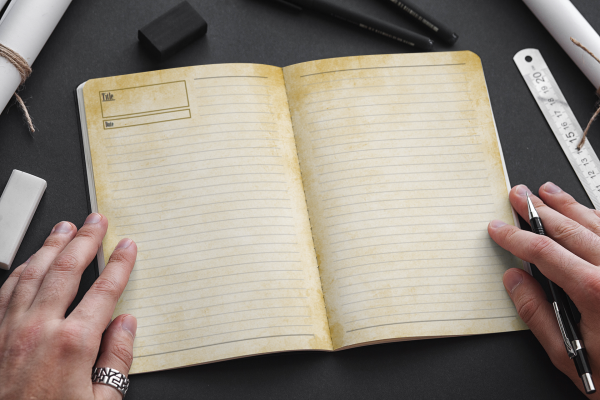
This classic-theme author notebook is for beginner and budding writers and novelists who love antique-inspired writing materials. With its aged paper look, this faux-worn writing paper with faint-lined inner pages bears a similar look to the paper famous writers of old composed stories and poetry.

Classic Writing Paper Lined Journal for Writers and Novelists

The notebook for authors, poets, and story writers features pages that come with title and date blocks and index pages for easy organising and navigating. It will make great gifts for vintage-inspired up-and-coming writers, young novelists, play and verse writers, and poets.


Concluding, being vintage-inspired isn’t just about fashion and art. It encompasses a lifestyle as well. One that celebrates nostalgia for a charming bygone era. These lovely functional books are more than mere notebooks, but a tribute to the beauty of yesteryears.


Articles of Interest

600 Years of Wedding Dress Designs: 1300s to 1900s

How to Walk in High-Heeled Shoes Without Waddling and Grimacing

This post is a quick step-by-step guide on how to walk gracefully in high-heeled shoes without waddling like a duck. Moreover, spiked heels won't make you look glamorous if you wear ‘pain’ on your face.

Walking straight in Stilettos (Image used under license from 123rf.com)


1st Step
As a beginner, start practising with kitten heels because if you want to strut in four-inch heels you’d have to start off practising with these. You should start low and work your way up to the higher heels.


2nd Step
When you walk easier and feel more comfortable in kitten heels, you can move up to high wedge heels. Their heels fully attached to the sole will give you good balance and increased confidence. Wedge heels are comfortable to walk in because your heels are placed higher above the level of your toes.


3rd Step
When you feel more relaxed with high-heeled wedge shoes and can walk comfortably in them without feeling awkward, you can go shopping for spiked shoes. But before then, have an imaginary walk in high shoes. Do this by standing with your knees straight, your body raised and supported on your toes, and your heels raised at least an inch (or so) off the floor. While trying this, see if you are tottering or bending at the knees. If you do bend your knees, even remotely, you are not yet ready for spiked shoes.


4th Step
If all goes well with step three, start with baby steps (small, slow steps), ensuring you do not bend your knees any more than you normally would. For balance, put one foot about 12 inches directly ahead of the other, placing your heels down first before your toes. HEELS THEN TOES! HEELS THEN TOES! HEELS THEN TOES!


Conclusion
Now that you have practised walking in stiletto heels without the occasional grimace, only then are you set to wear and strut your 9-inch spikes.

5 Vintage Fashion Accessories That Deserve a Comeback

Now is the time to rock those 20th-century fashion accessories if you are a vintage fashion enthusiast who loves statement pieces typical of the 1900s styles. The pieces were bold, daring, and attractively brazen. From anklets and brooches to fancy bra straps and earcuffs, these statement pieces deserve a comeback (with standing ovations) to the 21st-century fashion scene.

Some of the pieces we vintage fashion fans will love to see are:
  1. Anklets
  2. Fashion rings
  3. Fancy bra straps
  4. Ear Cuffs
  5. Toe rings

Anklets

Anklets or ankle chains have existed for centuries, with the first known types about 8,000 years old. From the beginning of its existence, it was not a fashion item, but an ornament that represented nobility and wealth. They were made from wood, bone, leather and woven twigs. Today, ankle chains have become fashionable pieces of ankle adornment made from various materials like gemstones, beads, and leather, precious metals like gold and silver, and base metals like copper, nickel, and brass.

Beautiful ankle bracelet. Image used under license from iStockPhoto

Although women of the early 20th century who wore ankle bracelets were called brash and brazen, by the middle of the century, women embraced their use as fashion jewellery. Two decades later, anklets became extremely popular as fashion jewellery and became an integral part of fashion and style.

Stylish vintage anklets are usually adorned with charms like hearts, keys, crosses, leaves, and gemstones like jade, emerald, and rhinestones.

Elaborate Rings

Art Deco rings are by far one of the most dramatically styled fashion rings of the 20th century. Rings of the era (1920s to 1930s) were dazzling, stylish, and elaborate. For women who love flashy and bold fashion accessories, nothing beats the beauty of Art Deco rings with their loud and sassy designs.

Vintage-inspired fashion rings. Image used under license from iStockPhoto


Fashion rings of the period, and up until the 1950s, often featured brightly coloured stones like ruby, sapphire, and emerald with heavily eclectic and daring forms. They were large, dramatic, and symmetrical designs with rectangular/hexagonal/square centre-set gemstones, many with uniquely set side stones surrounding each gemstone. The symmetrical patterns and motifs were influenced by Egyptian, African, and Indian cultures.

Popular gemstones used for the Art Deco fashion rings are ruby, emerald, sapphire, onyx, ivory, and jade. Others are mother of pearls, corals, and colourful faux gems set on precious metals - silver, white gold, platinum, chrome, and marcasite. Many high-end Art Deco-style fashion rings have filigree and diamond accents.

Ornate Bra Straps

Fancy bra straps are beautiful fashion accessories that add a touch of glitz and glamour to strapless clothing. They are worn to be exposed and really beautify formal dresses, gowns, and bustier tops, and less formal clothing like strapless blouses, tank/tube tops, and halter necks.

Fancy bra straps.

The most appealing and sought-after kinds are adorned with faux or genuine rhinestones and sparkler diamante gems. The beautiful embellishments make them elegant and attractive without going over the top.

They are wonderful pieces of fashion accessories that can also give a fashion upgrade, like turning a simple day wear into an attractive evening outfit or replacing camisole straps with diamante-studded fancy bra straps. It will also enhance old favourites and give your ‘dumped’ clothes a new lease of life.

Ear Cuffs

Ear cuffs may have been around for centuries (dating back to 200 BC), but in the 20th century, they became great earring alternatives for women with unpierced ears. Ear cuffs can be quite fascinating and attention-grabbing, and their charm continues to grow season after season as fashion icons, celebrities, and jewellery design shows continue to adopt their use and rediscover them as a trending accessory.

The earliest ear cuffs discovered in burial sites in the British Isles were known as Kaffas. They were made from non-fanciful brass without embellishments and were crafted with a large mount to wrap around the outer ear lobe. By the 1700s, they began to appear in Europe. But unlike the ancient ones, these modernised ear jewellery became more reserved in their crafting, resembling classic earrings instead.

Made from expensive metals, they were set with precious stones like rubies, diamonds, and sapphires. They were only affordable to wealthy upper-class women. Ear cuffs were worn to exhibit a woman’s wealth and social status.

Toe Rings

Toe rings have been around for hundreds of years and have been worn by both men and women in Africa and Asia. Way back then, they were worn for various cultural and traditional reasons, but certainly not as jewellery or fashion accessories.

Foot showing toe ring and ankle bracelet. (Image used under license from iStockPhoto)

In the Western world, there is no symbolic interpretation for wearing toe rings. They are generally regarded as fashion accessories to prettily adorn the feet. Meaning they are worn simply to portray stylish statements.

Exquisite toe-ring designs are stylishly crafted after 20th-century motifs and themes of swirls and figurines, fauna and flora, inscribed bands, and love themes. The best types are those made from lasting materials like gold, enamel, brass, and silver that will make your feet look pretty and delicate.


Other articles of interest:

Six Hundred Years of Wedding Dress Designs

If you love all things that have to do with the history of women's fashion, you will enjoy reading about how wedding dresses evolved.
  • What was getting married like before white weddings became popular?
  • What did the bride wear?
  • When was the first documented white wedding dress in Western culture?
Six centuries of bridal wear - 1300s to 1900s.


The book Six Centuries of Wedding Dress Styles and Traditions will answer these questions and more. It will take you through some of the interesting histories of bridal wear with an insight into what brides wore hundreds of years ago. It includes photographs and illustrations of hundreds of years of wedding dress collections.

It is a good reference book to have if you are a student of fashion history, a wedding dress styles enthusiast, and a bridal wear dressmaker and tailor

10 Famous Jewellers of the 1920s

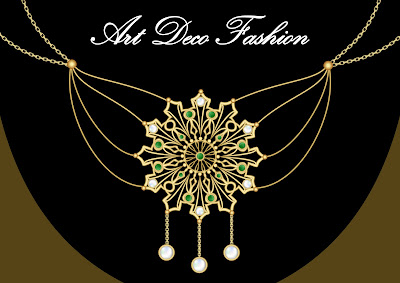
It was the Jazz Age of the 1920s, an era that heralded the beginnings of conscious awareness of unconventional costume jewellery. During this time, the Art Deco movement also made an impression on jewellers. Jewellery designs were influenced by events like the discovery of King Tutankhamun’s tomb, African art, and the Avant-Garde art movement. They were largely accepted by the flapper generation who frequently wore Art Deco-inspired jewellery and dazzling clothing. 

To this swinging generation, it was all about femininity and accessorizing, and the movement provided design inspiration for these. Jewelry, they say, was meant to capture the eye and command attention.


The style was characterized by bold colour contrasts, geometrics, clean lines, and stylized motifs. There were long strands of pearls, brooches, strings of round beads, ornate bangles and wide embellished bracelets, earrings with tassels, and loop necklaces.

Today, early 20th-century art deco-inspired costume jewellery still remains incredibly popular.


Some Famous Jewelry Designers of the Twenties


While some of the jewellers mentioned below have been known for their designs before the roaring twenties, many were at their peak during this era and made their mark in the jewellery design business. Their names still resonate among jewellery makers and collectors of vintage jewellery.

The following are jewellery designers (in no particular order) famous for their creations.


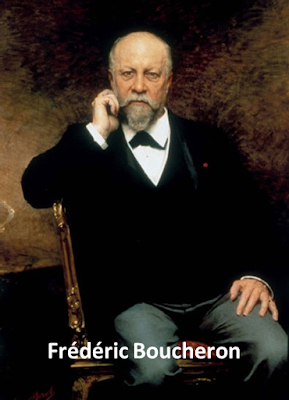
Frédéric Boucheron


His jewellery pieces are works of art and were designed to fit the reigning Art Deco designs of the 1920s. Before then, in the late 19th century, Boucheron was considered the pioneer of “modern jewellery” who revived an engraving technique that had been forgotten since ancient times. He soon became famous for the extraordinary designs and quality of his precious stones which included diamonds engraved with flowers or arabesques, and colourful gemstones (sapphires, rubies, lapis lazuli, coral, hematite, onyx, emeralds, and rock crystal) encircled with geometrically arranged diamonds.

Boucheron jewellery designers and makers enjoy the patronage of royal families and the custom of Hollywood icons like Dietrich, Garbo, and Rita Hayworth.


Mario Buccellati

In 1919, Mario Buccellati, also known as “The Prince of Goldsmiths”, acquired the family jewellery company and renamed it “Buccellati”. He was a famous jeweller who marketed his creations through exhibitions that helped him meet and make customers of affluent clients from all over. Mario Buccellati was so well patronized, he opened many branches around the world. 

His jewellery designs featured elaborate gemstone works suggestive of the Art Nouveau and Old Hollywood eras. They highlight animal and insect forms, created out of pearls. He is also famous for his “gold jewellery and exquisite silver objects” and the combinations of precious metals (silver & gold, and platinum & gold).


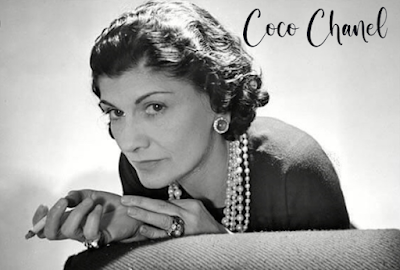
Coco Chanel


Chanel’s jewelry designs may have been considered innovative in the 1920s, but the works were revolutionary, radical, and bold, a new style that consisted of high-end components combined with lower-priced materials. Before that time, wearing costume accessories was considered a fashion faux pas because they were perceived as cheap and belonging to women who couldn’t afford genuine pieces. Unperturbed by the opinion of the status quo, she developed her radical design concept of mixing gems and other precious stones with faux ones. The results and responses were brilliant.

Piling bracelets and bangles, stacking faux pearl necklaces, layering an unprecedented number of brooches, and adorning cuff bracelets; fashionistas were awed by this expressive and playful new look. Coco Chanel’s awesome combinations were and still are what costume jewellery is all about. Each piece she crafted was the signature finishing touch; a perfect complement to the already dazzling outfits of the flapper generation of the twenties.


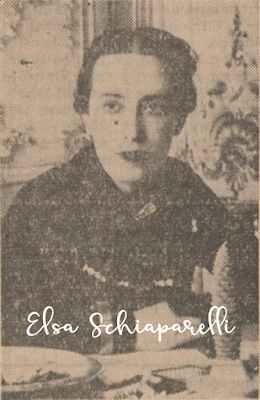
Elsa Schiaparelli


After moving to Paris in the 1920s and establishing a Fashion House in the late 20s, Schiaparelli began making costume jewellery along with her other lines of clothing, perfume and other fashion accessories. She believed that costume jewellery was a vital part of fashion and style, an art form in its own right. Her early works are often portrayed as whimsical, glamorous, and extremely stylized.

Elsa Schiaparelli believed that costume jewellery was an integral part of fashion design as well as an art form in its own right. Elsa’s jewellery was whimsical, imaginative, and innovative often made with bright, colourful glass stones. Many of her designs are inspired by nature, the circus, astrology, and native African art.


Gerard Sandoz

One of the most famous jewellers of the 1920s, Sandoz was well known for his elaborate geometric designs. His bold and dramatic creations made him recognized as one of the forerunners of the Art Deco style of jewellery. Being an artist, he incorporated his bold and strong artistic styles into his jewellery, making each piece a beautiful work of art. In many of his popular works, Sandoz paired metals with gemstones like onyx, lapis lazuli, coral, and hematite.


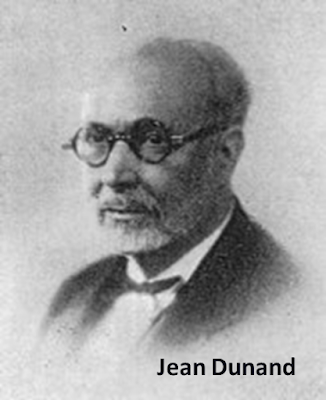
Jean Dunand


Dunand was popularly known for his extensive use of lacquerware (a decorative-coating technique) in his design elements. He used it for many of his works, including vases, furniture, and most especially, costume jewellery. His creative designs of lacquerware jewellery made his creations trendy and a must-have in the twenties. Josephine Baker, one of the most popular music hall entertainers in France who took Paris by storm in the 1920s wore his famous lacquerware jewellery, a wide cuff bracelet and a circular neck collar. This stunning jewellery set designed with black, yellow, and red colours made Dunand's jewellery famous. He was also one of the forerunners of the Art Deco style.


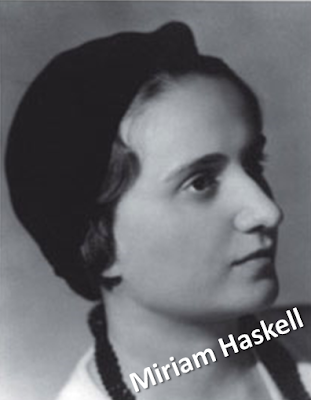
Miriam Haskell


This American designer, Miriam Haskell, is in the top ten jewellery designers of the time. She designed costume jewellery that was affordable to 1920s women and worked in partnership with Frank Hess who was a part of the birthing of colourful jewelry designs. Frank Hess, her chief designer, was previously a young window dresser at Macy’s. Their partnership has been responsible for the finest handmade costume jewelry ever created.

Hollywood stars like Joan Crawford and Lucille Ball, and fashion-conscious women loved the unique style and characteristics of Haskell’s designs and wore her jewellery widely. Her jewellery has also appeared in films, on tv shows, and in stage plays.


Napier

Napier jewellery was the rave in the 1920s. They made pieces in Art Deco style and introduced classy and elegant designs to fashion accessories lovers. Although Napier Jewelry is no longer a top brand, its jewellery is still highly valued and sought after by vintage-inspired fashion-conscious individuals, and jewellery collectors.

The fashion industry was dominated by their eclectic bold designs which featured spectacular geometric and floral patterns made from faux gemstones, imitation pearls, glass, and plated metals. They are also recognized for their sterling silver works. Pieces were large and chunky and were a deviation from the typical designs of the time. This helped them make a positive impact on the fashion scene.

Napier was one of the first brands to make costume jewellery available and accessible to the masses.


Paul Emile Brandt

Paul-Emile Brandt was born in Switzerland but moved to Paris, France at a young age to study under Chaplain and Allard. He started his own business outfit in the 1910s, making Art Nouveau-style jewellery. After World War I, Brandt began creating jewellery in the Art Deco style. His designs are characterised by neutral palettes with white gold and diamonds, offset with onyx stone or black lacquerware.

By the 1920s, he began to work with precious stones and lacquer work. He created jewellery designs made with inlaid lacquered eggshells and brooches set with calibre emeralds in characteristic art deco styles. He describes his jewellery-making as “... jewellery of great design and great construction...”. 

By the 30s, Paul Brandt started to produce hand jewellery – bracelets, bangles, rings, and neck jewellery - necklaces and pendants that featured relief work with geometric shapes.


Tiffanys


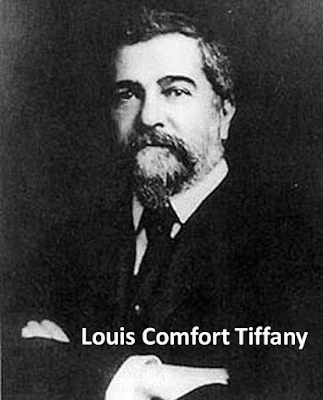
The company was founded by Charles Lewis Tiffany in 1837. When he passed away in 1902, his son Louis Comfort Tiffany became the company’s first official jewellery design director, while Tiffanys became a design icon during the Art Nouveau and Art Deco periods of the early 1900s.

Around this time, the Art Nouveau movement was gaining ground. Louis’ designs featured nature-inspired pieces in Art Nouveau’s style. His pieces of jewellery were majorly made with enamels, gemstones, and even glass. 

Soon, the Art Deco era began and saw an absolute passion for all things Tiffanys. The jewellery makers became the arbiter of fashion and style as brilliant diamonds and lustrous pearls adorned the silhouettes of Hollywood’s silver screen actors. They became the screen darlings of the Jazz era – nothing burned brighter on a black-and-white screen than Tiffany’s dazzling jewels.